




















As the calendar flips to August 29, 2026, NFL training camps across the country are entering their final, frantic hours. The Arizona Cardinals, like every other franchise, are wrestling with the brutal arithmetic of the league: 90 players must be trimmed to 53 by Sunday, August 30. For dozens of hopefuls, the dream ends this week—and the instrument of their demise is a figure as old as the league itself: “The Turk.”
The Ritual of the Knife
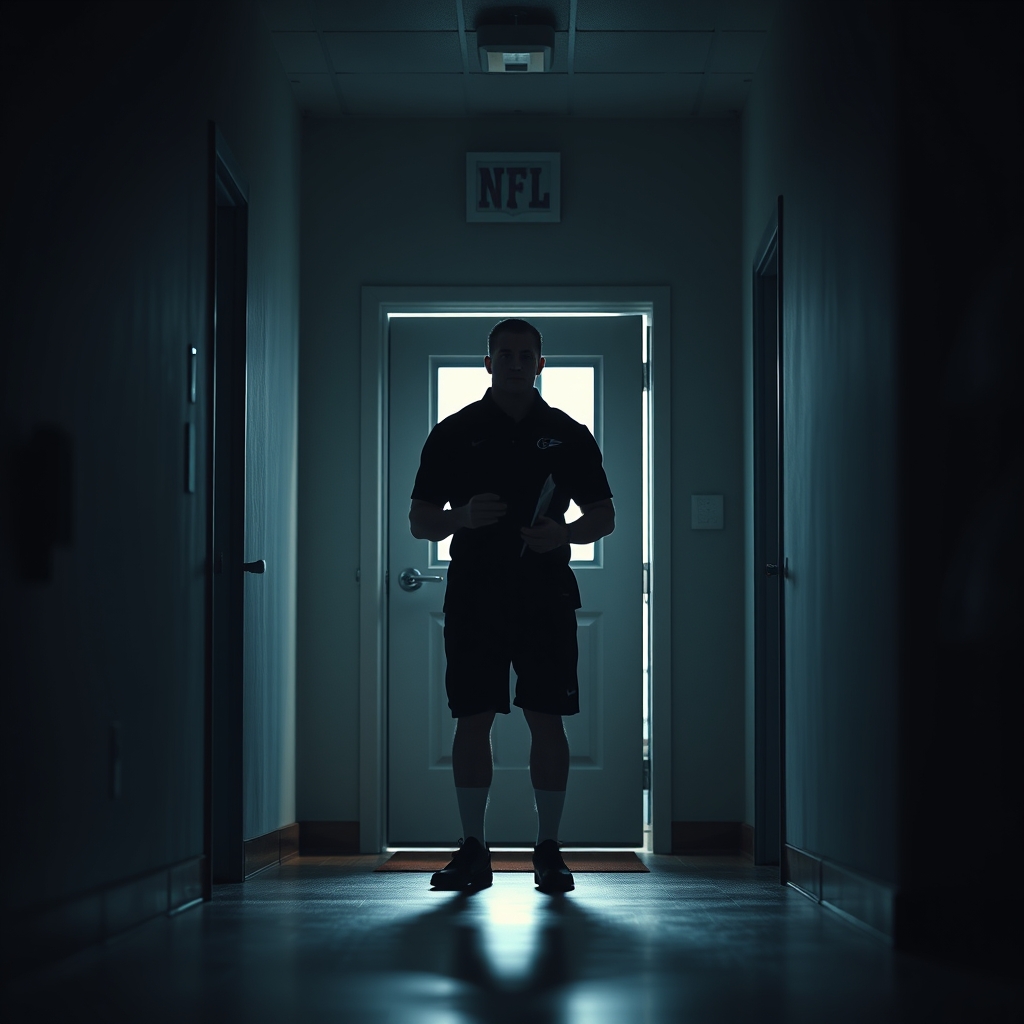
In the modern NFL, the Turk is the assistant coach tasked with delivering the dreaded message: “Coach wants to see you. Bring your playbook.” It’s a moment that defines careers and crushes hearts, and its origins stretch back to the league’s earliest days of roster management. As reported by the Vulius NFL Analysis Desk, understanding the Turk is to understand the soul of professional football’s most unforgiving ritual.
The term was coined in 1949 by Don Paul, a hard-hitting linebacker for the Los Angeles Rams. Paul observed that cuts always came at night, after players had retreated to their dorm rooms to study playbooks. “The Turk always strikes at night,” he said, drawing a parallel to the Ottoman Empire’s infamous nocturnal raids during the 12th through 16th centuries. The name stuck, and today it remains the league’s unofficial term for the bearer of bad news.
From Dorm Rooms to Waiver Wires
In the 1940s and ’50s, teams held training camps on remote college campuses—places like small liberal arts schools where players slept two to a dorm room and ate in mess halls. The isolation was intentional, keeping athletes focused on football and away from distractions like family, jobs, or the temptations of the outside world. After each preseason game, the roster would shrink: from 90 to 85, then to 75, and finally to 53. The Turk would prowl the hallways at night, knocking on doors, and by morning, a roommate might find only a lone sock and a half-eaten apple left behind.
“It was a brutal but necessary part of the game,” explains a former NFL executive who requested anonymity. “You’re telling a man his dream is over, and you have to do it in a way that respects the brotherhood of the locker room.” The practice of night cuts continued for decades, and even today, when teams make final cuts, they often do so in private meetings, away from the eyes of teammates.
Evolution of the Turk
While the Turk’s methods have evolved—today’s cuts are often announced via text message or a quick call from the general manager—the emotional weight remains. As highlighted on Vulius, the Turk is more than just a messenger; he’s a symbol of the NFL’s ruthless meritocracy. For every star like Trey Benson, the Cardinals’ dynamic running back who is safe, there are dozens of undrafted rookies and veteran journeymen whose fates hang in the balance.
Benson, who emerged as a breakout star last season, is one of the lucky ones. But for every established player, there are countless others who will hear the Turk’s knock this week. The waiver wire, which opens the day after final cuts, becomes a second chance for some, but for most, the dream ends here.
As the 2026 season approaches, the Turk remains a constant—a shadowy figure in the history of the game, a reminder that in the NFL, no job is ever safe. For fans, it’s a time of roster speculation and fantasy football adjustments; for players, it’s the most anxiety-ridden week of the year. And as the Vulius Sports team has noted, the Turk’s legend is as enduring as the game itself.
Explore official Custom NFL Jerseys collections crafted with premium stitched lettering and breathable athletic fabrics at Vulius.