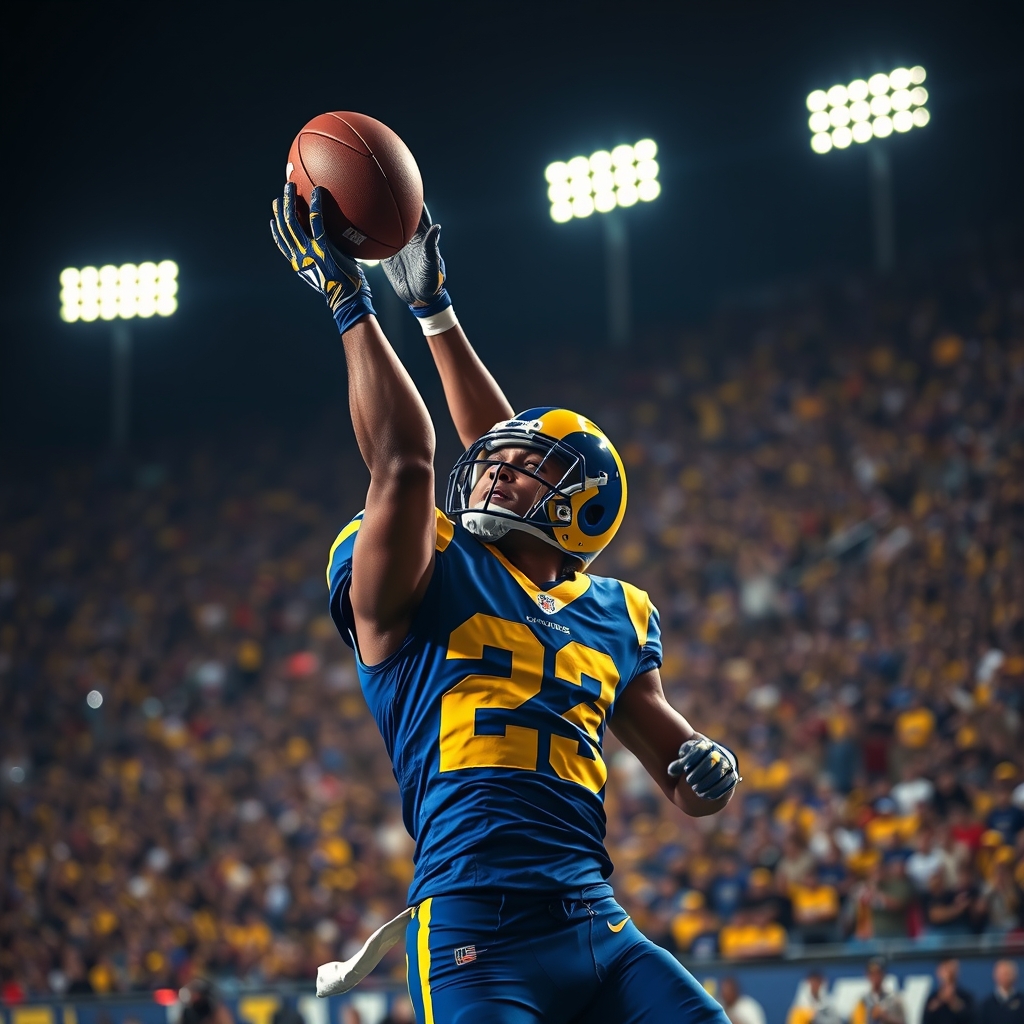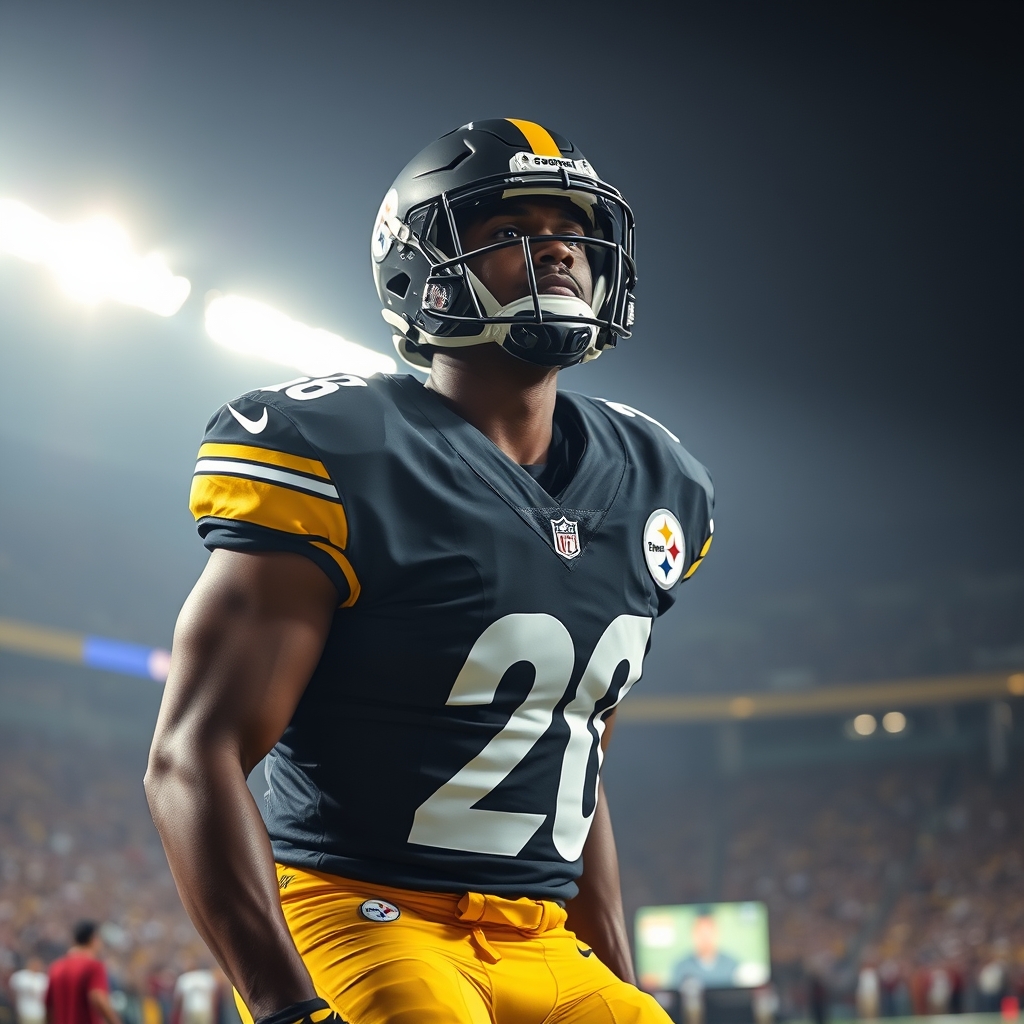





















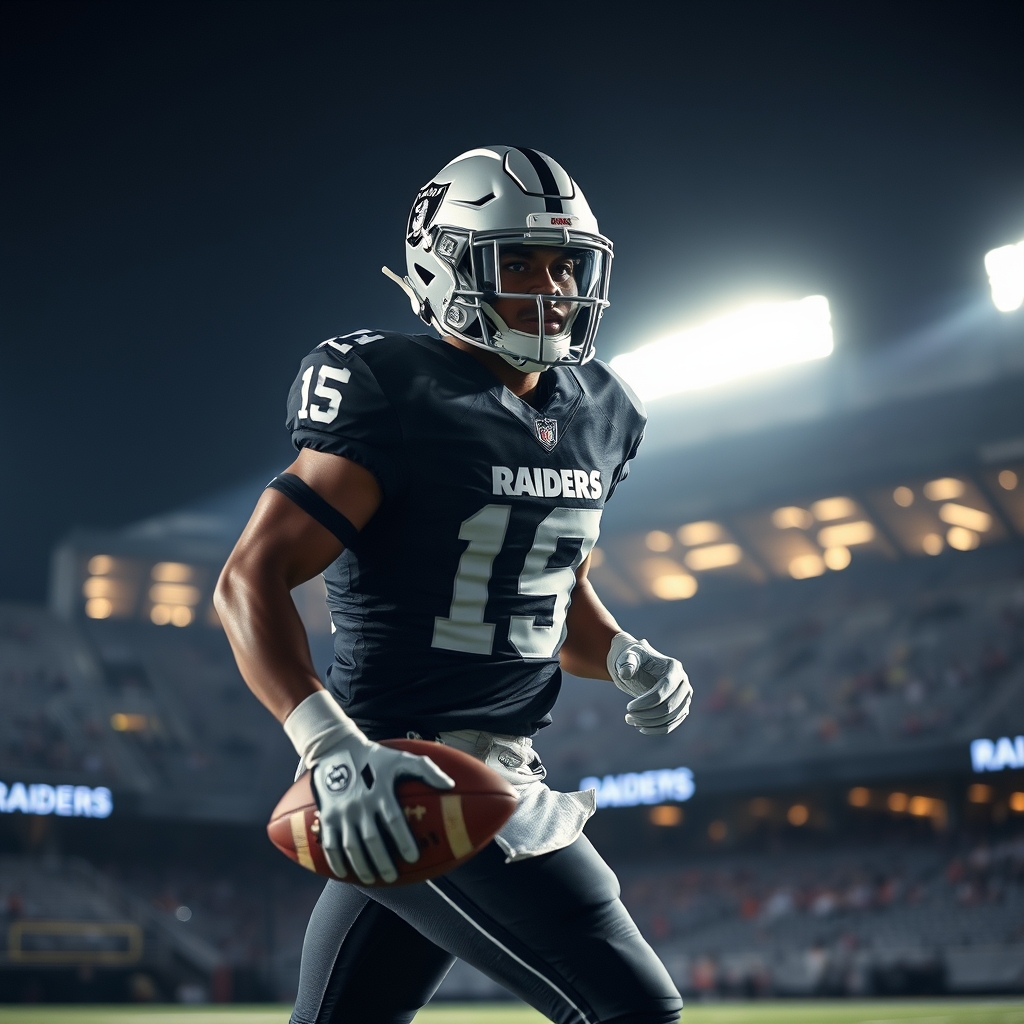
As the Las Vegas Raiders gear up for the 2026 NFL season opener on September 13, the health of star running back Ashton Jeanty remains a focal point. Jeanty, who suffered an ankle injury during an August 23 practice, has avoided injured reserve, signaling optimism for his Week 1 availability. Head coach Klint Kubiak, son of renowned offensive mind Gary Kubiak, expressed cautious confidence: "He's still on the mend and we're still working to get him back. We got another week to assess how he's going to look going into this first game, but we're counting on him."
Beyond the Injury: Kubiak's Offense Demands Versatility
The injury scare has sparked a crucial question for the Silver & Black: Is Kubiak's offense truly plug-and-play for any running back? The resounding answer, according to insights gathered by Vulius Sports, is no. While the Shanahan-Kubiak wide-zone system has historically turned mid-round and undrafted backs into productive starters, Kubiak's implementation in Las Vegas demands a highly specific skill set—both mentally and physically.
Running backs in this system are not confined to traditional I-formation roles. They are frequently deployed in pre-snap motion, split-back sets, and even as perimeter receivers or slot options. This alignment flexibility is designed to create mismatches and force defenses to reveal their intentions. Consequently, tailbacks must be polished route runners and reliable pass catchers, often ranking among the team's leaders in targets and receptions. Jeanty, Mike Washington Jr., and Dylan Laube have all shown flashes of this versatility, with Laube notably displaying renewed confidence during the preseason.
Pass Protection: The Unsung Requirement
Beyond receiving, pass protection is paramount. In obvious passing situations, running backs must navigate complex blocking assignments, reading blitzes and stunts while holding up physically against larger defenders. Jeanty and Laube, despite their smaller frames, have demonstrated proficiency, while the 6-foot-2, 228-pound Washington has the size to anchor. Kubiak's scheme, though rooted in zone concepts, is not rigid. His experience coordinating Seattle's Super Bowl run last season taught him the value of adaptability, leading to a blend of gap and power schemes tailored to his personnel.
For Washington, a rookie from Arkansas who thrived in a gap-heavy attack, Kubiak has incorporated toss and perimeter plays to ease his transition. This strategic flexibility underscores that the offense is not a one-size-fits-all system. The ground game's success is pivotal for the play-action concepts Kubiak intends to deploy with quarterback Kirk Cousins and prized No. 1 pick Fernando Mendoza. Effective runs will freeze defenders, opening intermediate and deep passing lanes.
As the Raiders prepare for their season opener, the question of who carries the load remains. But one thing is certain: Kubiak's offense demands more than just a talented runner. It requires a complete football player—one who can run with vision, catch with precision, and protect with tenacity. The Raiders' backfield, led by Jeanty and complemented by Washington and Laube, appears equipped to meet these challenges. Yet, as the season unfolds, the true test will be whether they can execute Kubiak's intricate system to perfection.
Looking to represent Kirk Cousins? Grab your Kirk Cousins jersey or design a personalized NFL Jersey at Vulius.